Graffiti Has Always Been With Us
Graffiti art is as old as human civilization itself. Walk through the ruins of any ancient culture and you will find texts, symbols, and images carved or painted onto pillars and cave walls. That fact alone tells you something profound: human beings have always needed to mark their world, to communicate through pictures and paint. Graffiti is one of the most powerful and direct forms of expression we have ever developed — a reality explored in depth when you trace graffiti's journey from Pompeii to the modern street.
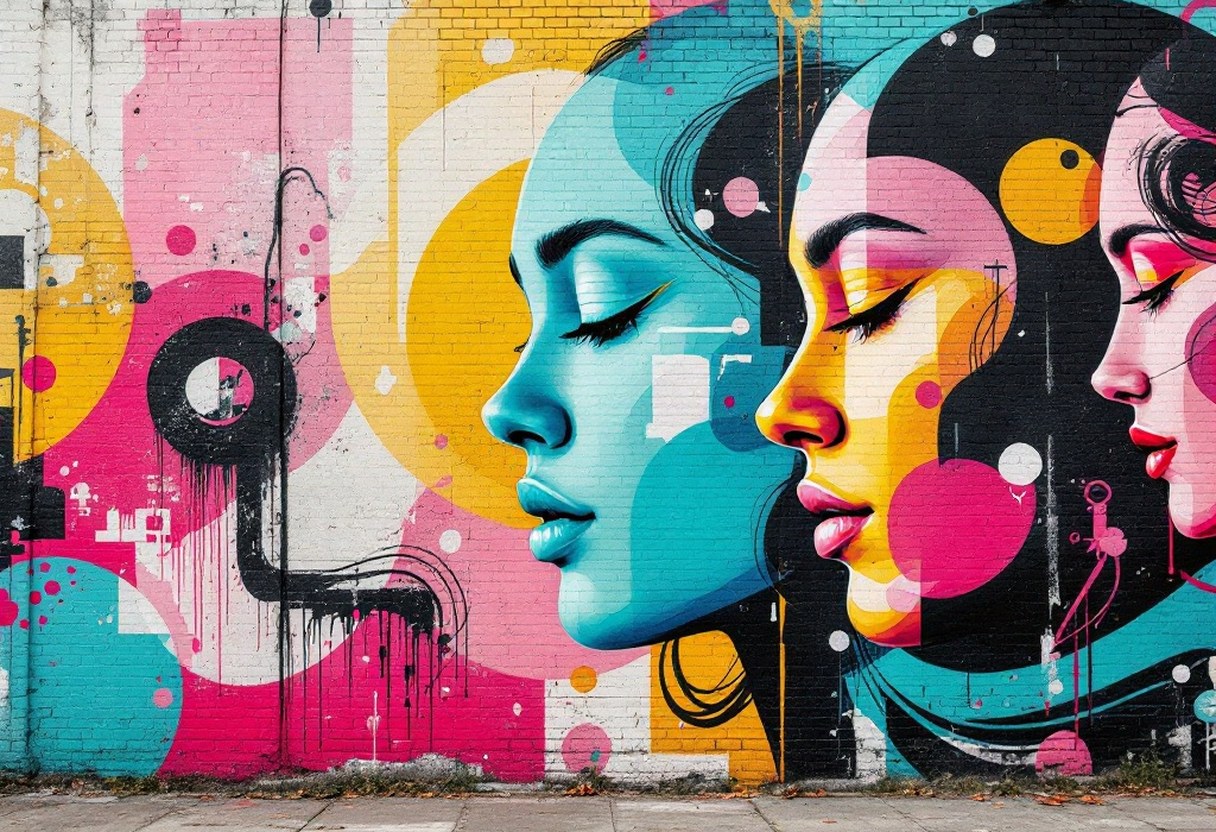
Graffiti as Symbolic Communication
Both graffiti and wall painting operate on a level of complexity that goes far beyond simple pictorial messages. These works are not just ideas broadcast at passersby — they are deeply symbolic, open to interpretation, and layered with meaning that shifts depending on who is looking. The best graffiti artists use optical illusions and perceptual tricks to actively challenge how viewers understand the world around them. That is not decoration. That is a conversation — one that walls have been having with power for centuries.
The best graffiti doesn't just sit on a wall — it reaches out and rewires how you see the street around it.
There are many distinct styles and genres within graffiti, and within each one an artist can carve out an entirely personal creative direction. Ideas grow from skills, passion, and a willingness to keep experimenting. The medium rewards those who refuse to put the can down until the wall says exactly what they meant it to say.
Why Graffiti Resonates Across Cultures
What separates graffiti that resonates from work that falls flat is rarely technique alone. Across every style — from intricate murals to quick-hit character pieces — the unifying factor is the artist's conviction. The culture has always demanded that authenticity.
See also Graffiti's Global Reach: One Art Form, Countless Expressions
- Symbolism: Graffiti communicates on multiple levels simultaneously, rewarding closer inspection.
- Accessibility: Unlike gallery art, it meets audiences where they already are — on the street.
- Diversity of style: Horror, comedy, abstraction, portraiture, and illusion all find a home on the same wall.
- Community identity: Murals in particular function as public monuments that define neighborhoods.
Graffiti rewards those who show up with genuine ideas. Without that drive, frustration sets in fast. With it, even the most technically challenging concept becomes achievable — and the wall becomes a permanent record of a moment of human conviction.