When Spray Paint Meets Digital Innovation
We live in an age where technology permeates everything, and graffiti is no exception. What has emerged is something best described as hybrid — a collision of spray paint culture and digital innovation that feels entirely at home in the modern city. This fusion was arguably ignited when graffiti was criminalized, forcing artists to think differently, more cleverly, and more boldly about how and where they worked.
Organizations like the Graffiti Research Lab stand as prime examples of what happens when street art culture meets cutting-edge technology head-on. By blending the rebellious instincts of graffiti with tools drawn from engineering and digital media, groups like these have helped push the boundaries of what public mark-making can look like — and what it can say.
"Criminalization forced artists to think differently, more cleverly, and more boldly — and technology gave them an entirely new set of tools."
Institutions That Legitimize — and Those That Push Back
Beyond technology, institutions play a powerful role in shaping how graffiti enters — and is debated within — the public domain. Projecting human thought and raw expression onto the side of a building carries real weight, and that weight is precisely what makes the conversation so charged.
Academic and cultural institutions have stepped in to legitimize and examine this conversation. The Lisbon Street Art & Urban Creativity International Conference is one such platform, bringing together the Street Art and Urban Creativity (SAUC) academic journal with a broader program of artistic activity across the city — positioning Lisbon as one of the world's most engaged hubs for street art discourse.
On the opposite end of the spectrum sits the Graffiti Resource Council (GRC), an NGO dedicated to graffiti prevention. Through education, information sharing, and legislative assistance, the GRC equips communities — particularly in the United States — with tools to push back against unsanctioned work. It reflects a deeply held belief in certain circles that graffiti is little more than vandalism, a perspective that continues to fuel the ongoing culture war around street art.
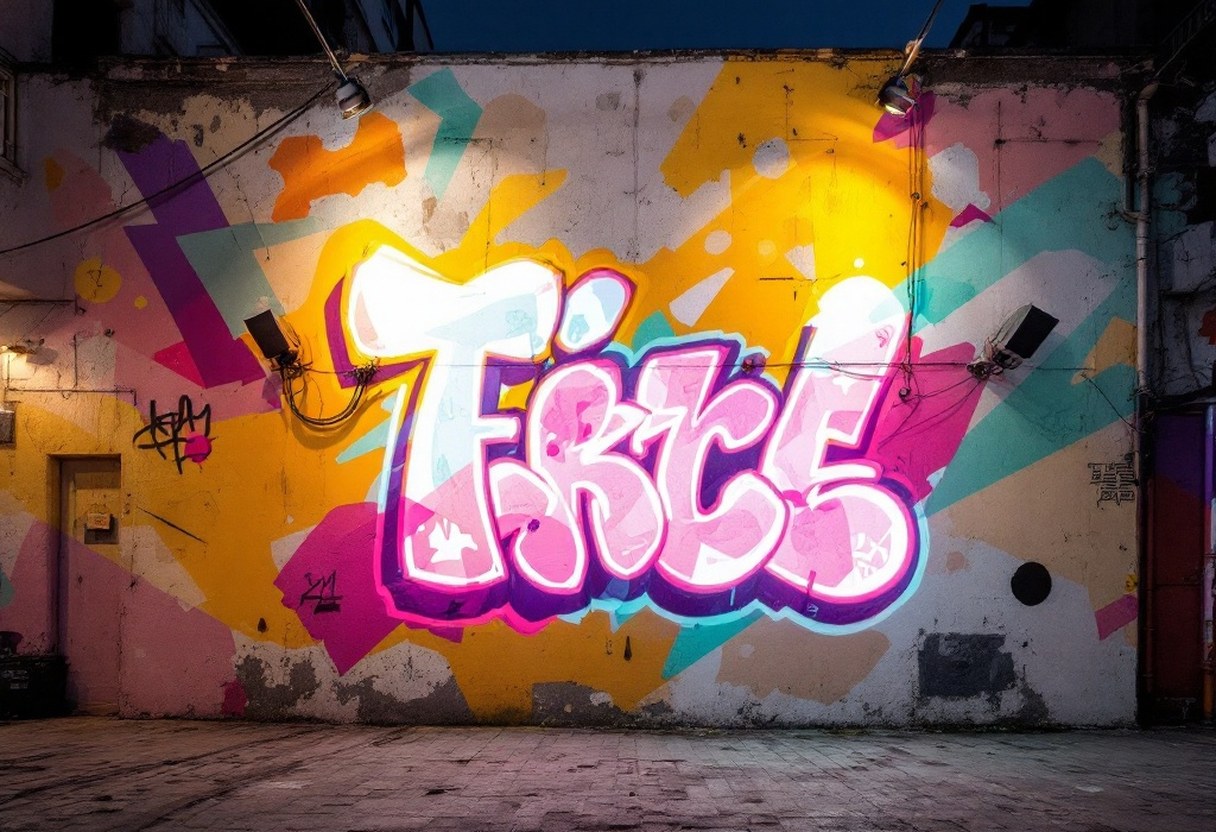
The Debate Is the Point
The tension between institutions that celebrate graffiti and those that seek to contain it is not a sign of failure — it is a sign of relevance. Few art forms provoke such a consistent, global argument about ownership, public space, and creative freedom. That argument keeps graffiti alive, keeps it evolving, and ensures it remains one of the most honest mirrors of contemporary urban life.