A Hidden Gallery Under New York City
Below New York City, an enormous network of subway tunnels served as an unofficial gallery for nearly four decades. Writers worked down there with spray cans and sheer creative nerve, producing masterpieces that almost no one outside the culture ever saw. While the city above ground was cracking down, the tunnels preserved something extraordinary.
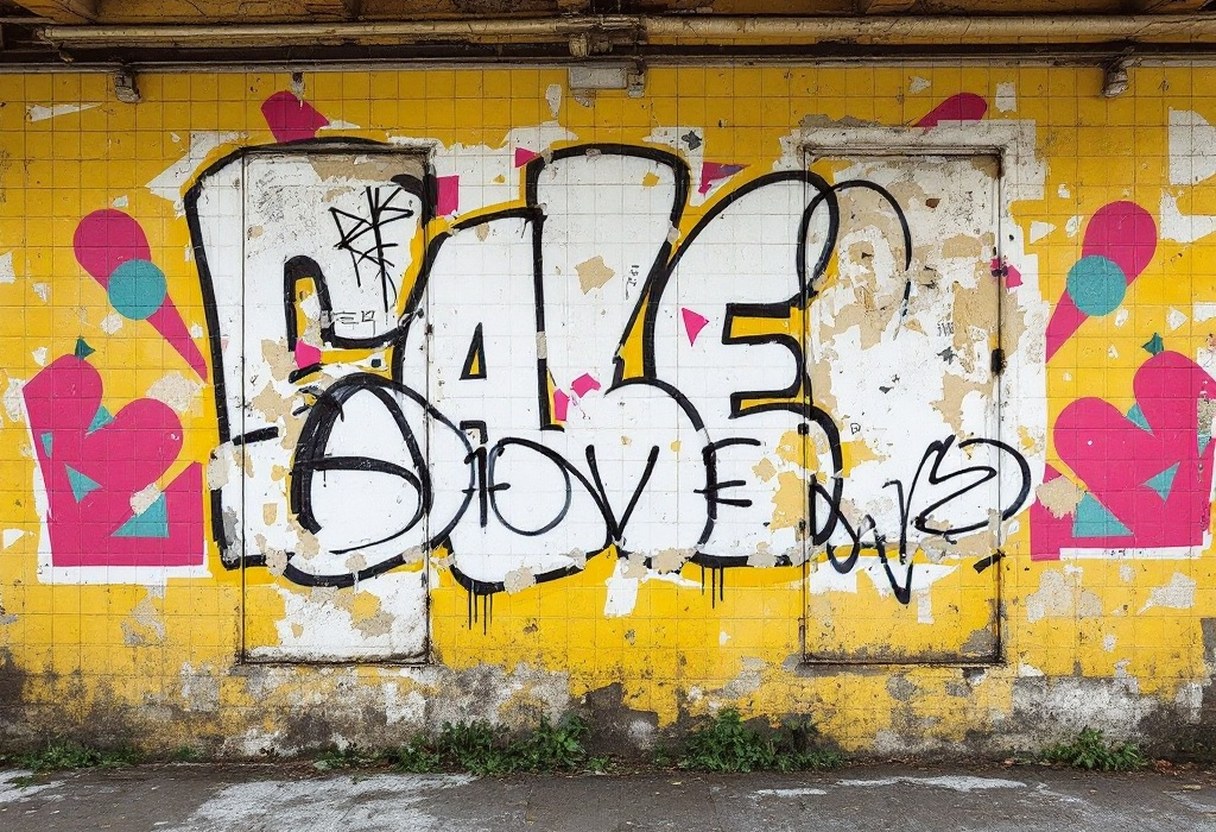
The book Beneath the Streets: The Hidden Relics of New York's Subway System pulls that hidden world into the light. It documents the surviving work of rebel artists and subway workers alike, centering on graffiti created in the 1970s and early '80s — pieces that endured long after MTA policy was rewritten to eradicate them.
Beneath the Streets functions as both an art book and an archive — preserving the last remaining evidence of a graffiti era that was systematically scrubbed from New York's subway system.
As a historical document, it is indispensable: a record of work that would otherwise exist only in memory. The book is a reminder that preservation — not just creation — is its own form of cultural activism.
How Graffiti's Legal Status Has Evolved
Many experts draw a firm distinction between graffiti and street art, even while acknowledging the significant overlap between the two. What has changed most is visibility. Graffiti today is far less hidden than it was in its golden era — and for many artists, working with permission has become a practical reality, not a compromise of values but a way to keep creating without legal consequences.
- Unauthorized graffiti remains illegal in New York City and most jurisdictions worldwide
- Permitted murals and sanctioned graffiti walls exist across NYC's five boroughs
- The culture has expanded into galleries, brands, and public art commissions — without losing its street roots
- Newer forms like projection art and chalk installation occupy genuinely contested legal territory
Permission vs. Freedom: Graffiti's Defining Contradiction
Traditionally painted graffiti, done with permission, is generally classified as public art. Without it, the law sees things very differently. Anti-graffiti measures that tightened in the late 1980s — harsher penalties, restrictions on paint sales, visible police presence — fundamentally reshaped how and where writers could work.
The tension between permission and freedom has always been graffiti's defining contradiction. Books like Beneath the Streets matter precisely because they capture what existed before that tension forced the culture underground — and remind us how much was nearly lost.