Principles of Effective Protest Street Art
Creating graffiti that genuinely advances a cause takes more than a spray can and an available surface. Protest street art operates in a compressed, high-stakes environment: it must communicate instantly, survive hostility, and build solidarity across a diverse audience. A few core principles separate impactful work from noise — and understanding them is essential before picking up a can. The long tradition of walls speaking truth to power shows just how durable this impulse has always been.
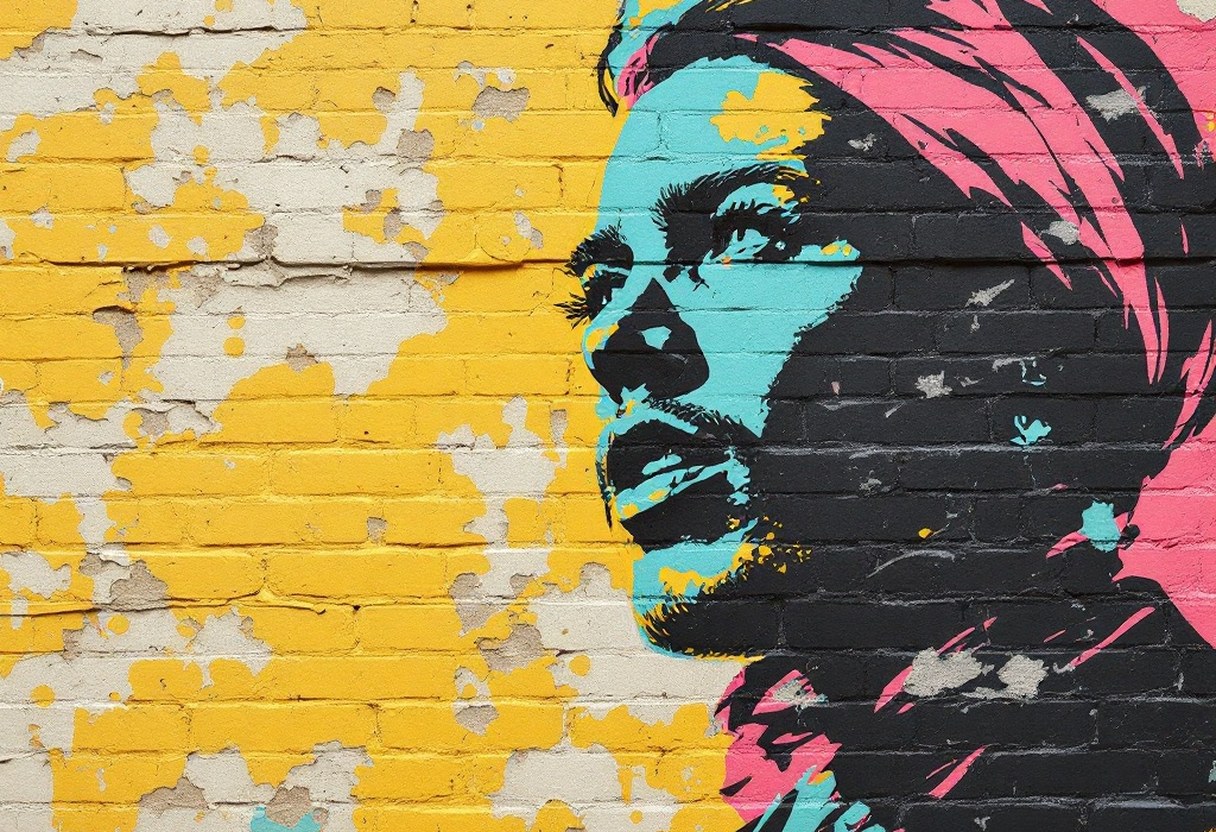
Four Principles of Effective Protest Street Art
- Find the balance between subtle and obvious. Too on-the-nose and your work invites suppression before anyone sees it. Too cryptic and your message is lost entirely. The sweet spot is imagery that rewards a second look — clear enough to resonate, layered enough to linger.
- Avoid vulgarity and brutality. During political upheaval, ambiguity is your ally. Art that provokes thought rather than offence reaches further, lasts longer, and builds broader solidarity. The more unique and considered your approach, the more attention it earns — for the right reasons.
- Know what you're speaking to. Don't ride a wave of protest without understanding the full picture. Read deeply, listen to multiple perspectives — the protester and the protested — then let your imagination respond to that complexity with honesty.
- Understand the stakes. Government protest through street art carries real risk in many parts of the world. Pick up the spray can only if you're prepared to own what it says. Freedom of expression is powerful precisely because it isn't free.
The most enduring protest murals share one quality: they articulate what a community already feels but hasn't yet found the words — or the courage — to say aloud.
Combining Technical Skill with Political Intent
There is nothing technically complex about protest graffiti at its core — a creative mind, a considered message, and the courage to place it somewhere it will be seen. The art form asks only that you be honest about what you feel and thoughtful about how you express it. Artists like Basquiat, Haring, and Banksy each built careers on exactly that combination, channelling urgency and wit into work that reached well beyond the street.
See also Graffiti as Human Expression: A Language Written on Walls
"Rebellious voices don't have to go silent simply because the opposition is formidable. Street art has always found a way to speak."
When working within this tradition, remember that the wall is a public trust as much as a personal canvas. The artists whose work endures are those who treated their audience — the everyday passerby — with the same seriousness they brought to their cause. That combination of conviction and craft is what transforms a spray-painted surface into genuine political speech. Understanding the full range of graffiti styles can sharpen your instinct for which visual language will carry your message most effectively.
Featured figures
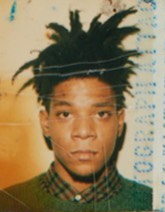
Jean-Michel Basquiat
American artist (1960–1988)
Jean-Michel Basquiat was an American artist who rose to success during the 1980s as part of the Neo-expressionism movement.
Photo: Public domain · Unknown author (Wikimedia Commons)
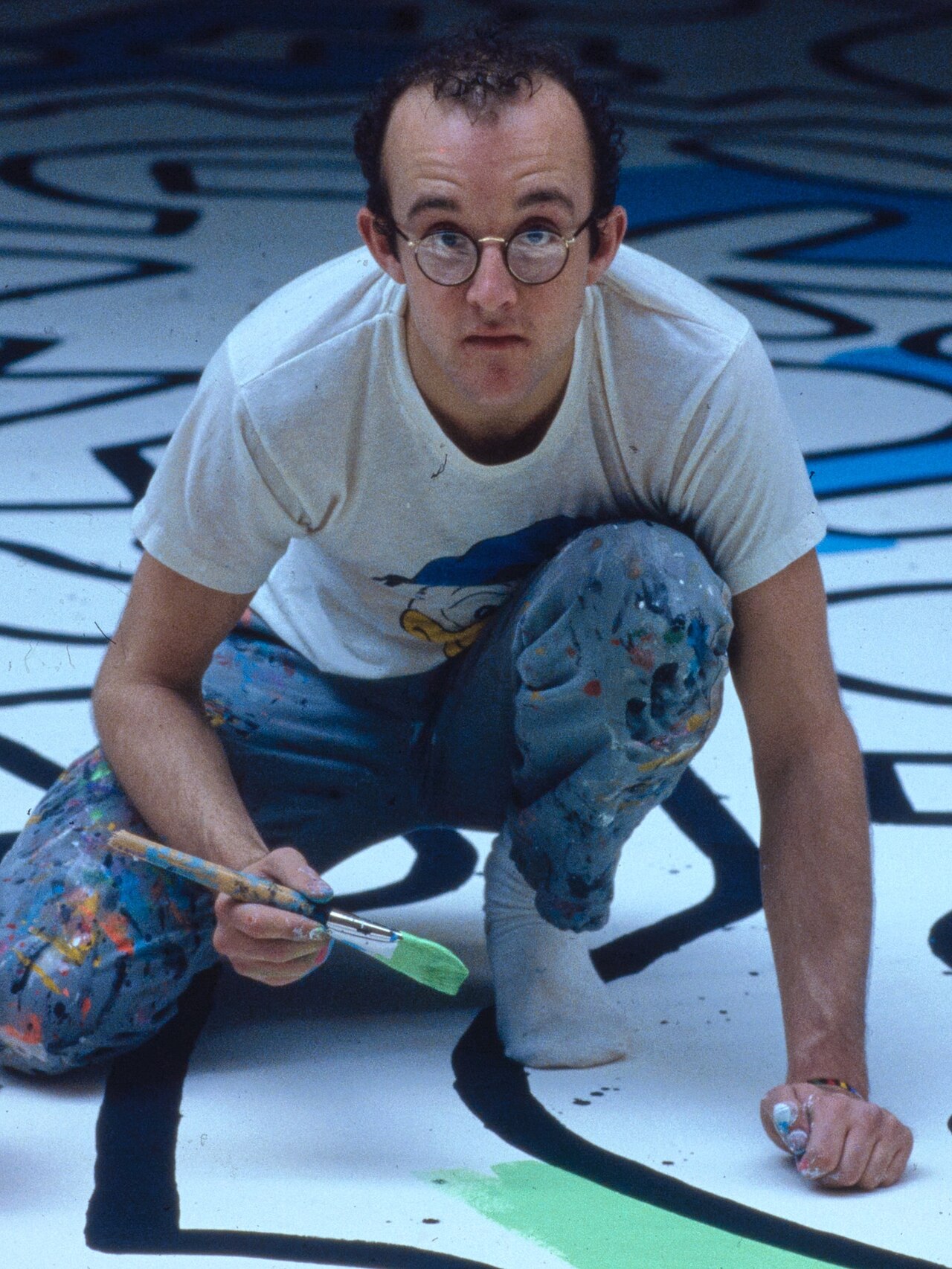
Keith Haring
American artist and social activist (1958–1990)
Keith Allen Haring was an American artist and activist.
Photo: Public domain · Bernard Gotfryd (Wikimedia Commons)
Banksy
Graffiti artist, political activist and painter
Banksy is a pseudonymous England-based street artist, political activist, and film director.