Futura, Shepard Fairey & Ron English: Street Art's Boundary-Pushers
Street art has always thrived on artists willing to stretch the form into unexpected territory. Where some writers chased recognition through letterforms and others through scale, the three artists below pushed graffiti culture into abstraction, political graphic design, and advertising subversion — expanding what the genre could be and who it could reach. They belong to the same restless tradition as Basquiat, Haring, and Banksy, artists who refused to let the form stand still.
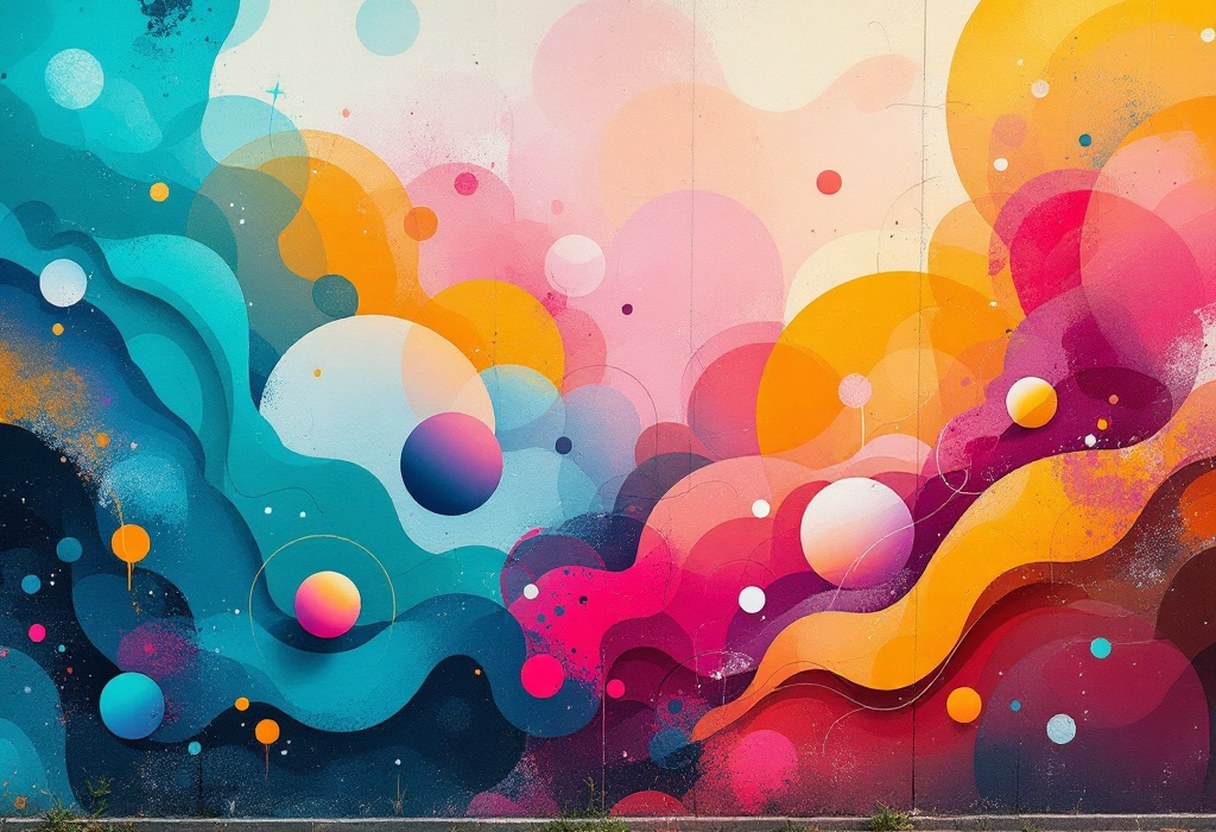
Futura: Abstract Painting on New York's Subway System
Originally operating as Futura 2000, this New York artist was getting up in the city's subway system during New York's golden era before most of the world had a framework for what graffiti even was. Painting in prohibited spots was part of the point — the risk was baked into the work. His style is abstract and atmospheric, a world apart from letter-based graffiti, and it earned him serious respect across both street and fine-art circles. Nosferatu, Atomic, and The Outburst remain touchstones of the form.
Futura's abstract approach proved that graffiti was not limited to letterforms or figuration — it could be pure visual atmosphere, as ambitious as any gallery painting.
Shepard Fairey: Street Art as Political Activism
Shepard Fairey operates at the intersection of street art, graphic design, and political activism — and he does it at a scale few artists ever attempt. His propaganda-influenced aesthetic and his knack for reducing complex ideas to striking, high-contrast imagery made works like Hope, Change, Obey, and Vote genuinely iconic. Fairey treats the street as a communication channel, understanding why walls have always spoken truth to power better than almost anyone working in public space today.
Fairey proved that street art could function as genuine political communication — not just commentary, but a tool capable of shifting public consciousness.
Ron English: Subverting the Language of Advertising
Ron English carved out his own lane by hijacking the language of advertising and turning it against itself. His work takes brand imagery, comic-book color palettes, and the logic of commercial collage and detonates them into something unsettling and hilarious in equal measure. His reworking of Guernica — displayed publicly at the Allouche Gallery — is a prime example of his ability to fold art history into pop-culture critique. English has also extended his practice into publishing, with books including Abraham Obama, POPaganda, and Lazarus Rising.
- Futura: Abstract subway and street painting — Nosferatu, Atomic, The Outburst
- Shepard Fairey: Graphic design–influenced activism — Hope, Change, Obey, Vote
- Ron English: Advertising subversion and pop collage — Guernica rework, Abraham Obama, POPaganda
These three artists represent the expansive, restless ambition that keeps street art evolving. Their work is a reminder that the genre has never been content to stay in one place — aesthetically, politically, or physically. The conversation they started continues on walls around the world, from the defining street art cities of the Americas and Europe to every corner of the globe.
Featured figures
Futura
Topics referred to by the same term
Futura, born Leonard Hilton McGurr, is an American graffiti artist who rose to prominence in the 1970s and became known for abstract, space-inspired work that helped move graffiti from the subway to the gallery.
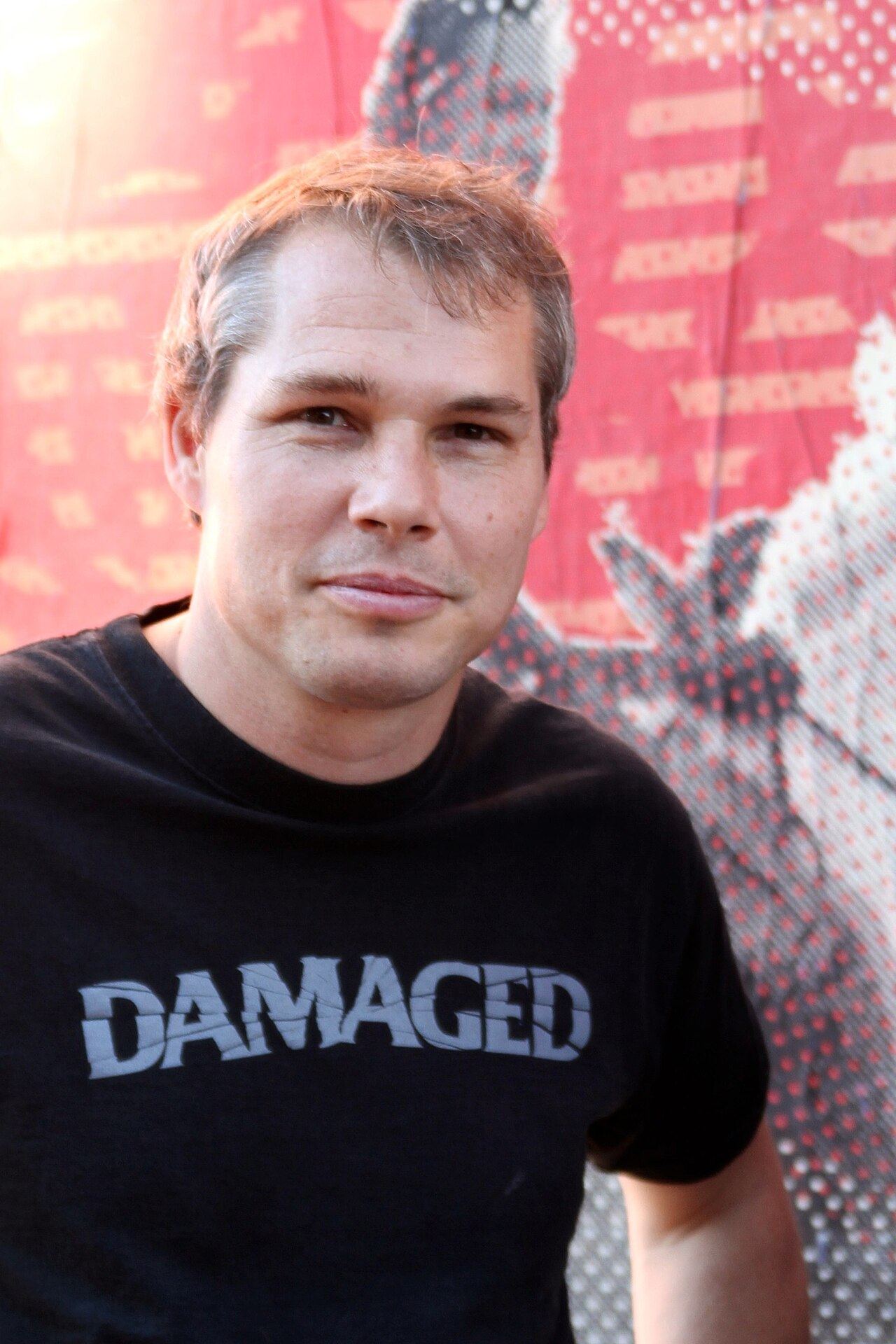
Shepard Fairey
American street artist and activist (born 1970)
Frank Shepard Fairey is an American contemporary artist, activist and founder of OBEY Clothing who emerged from the skateboarding scene.
Photo: CC BY-SA 3.0 · Fuzheado (Wikimedia Commons)
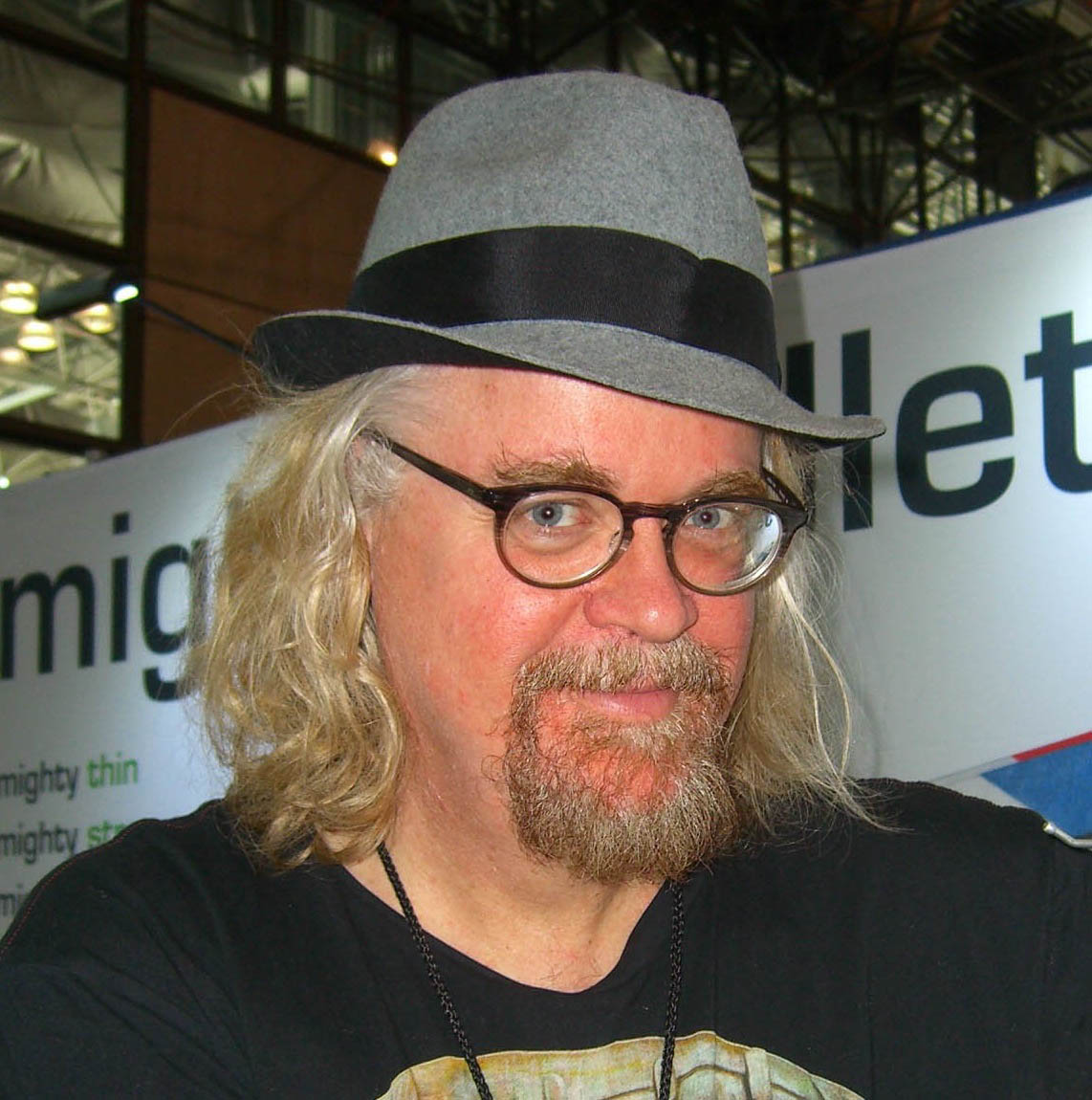
Ron English
American artist (born 1959)
Ron English is an American artist who explores brand imagery, street art, and advertising.
Photo: CC BY 3.0 · Nightscream (Wikimedia Commons)